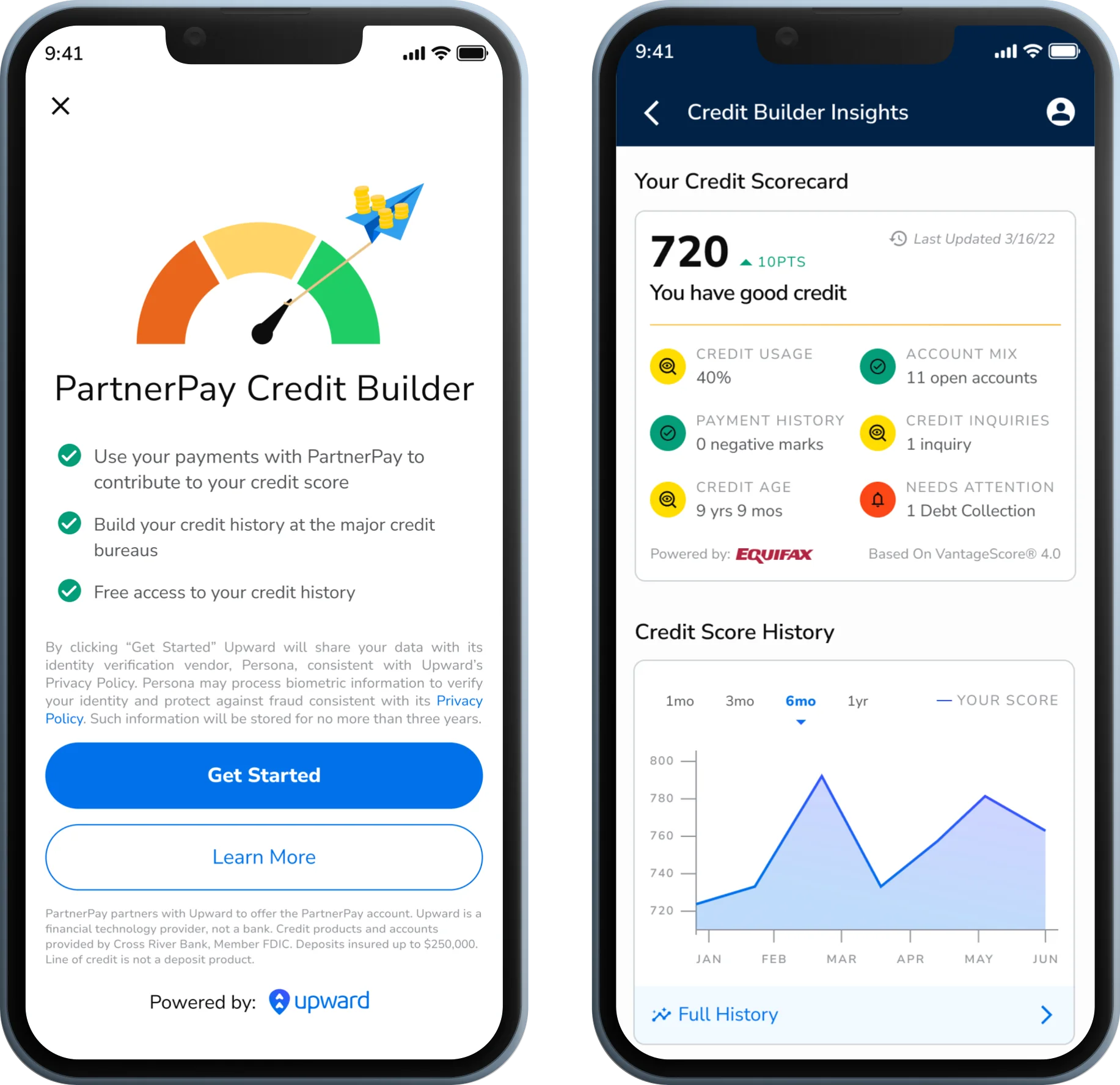
Upward Card
Designed and launched Upward's first credit builder card from 0-to-1, reaching $10M in monthly card spend within its first year.
Company
Upward x HausMoney
Discipline
Consumer Fintech
Role
Sole Product Designer
Design Timeline
2024–2026 · 6-month MVP · 1-month redesign
Tools
Figma
Context
A new product opportunity
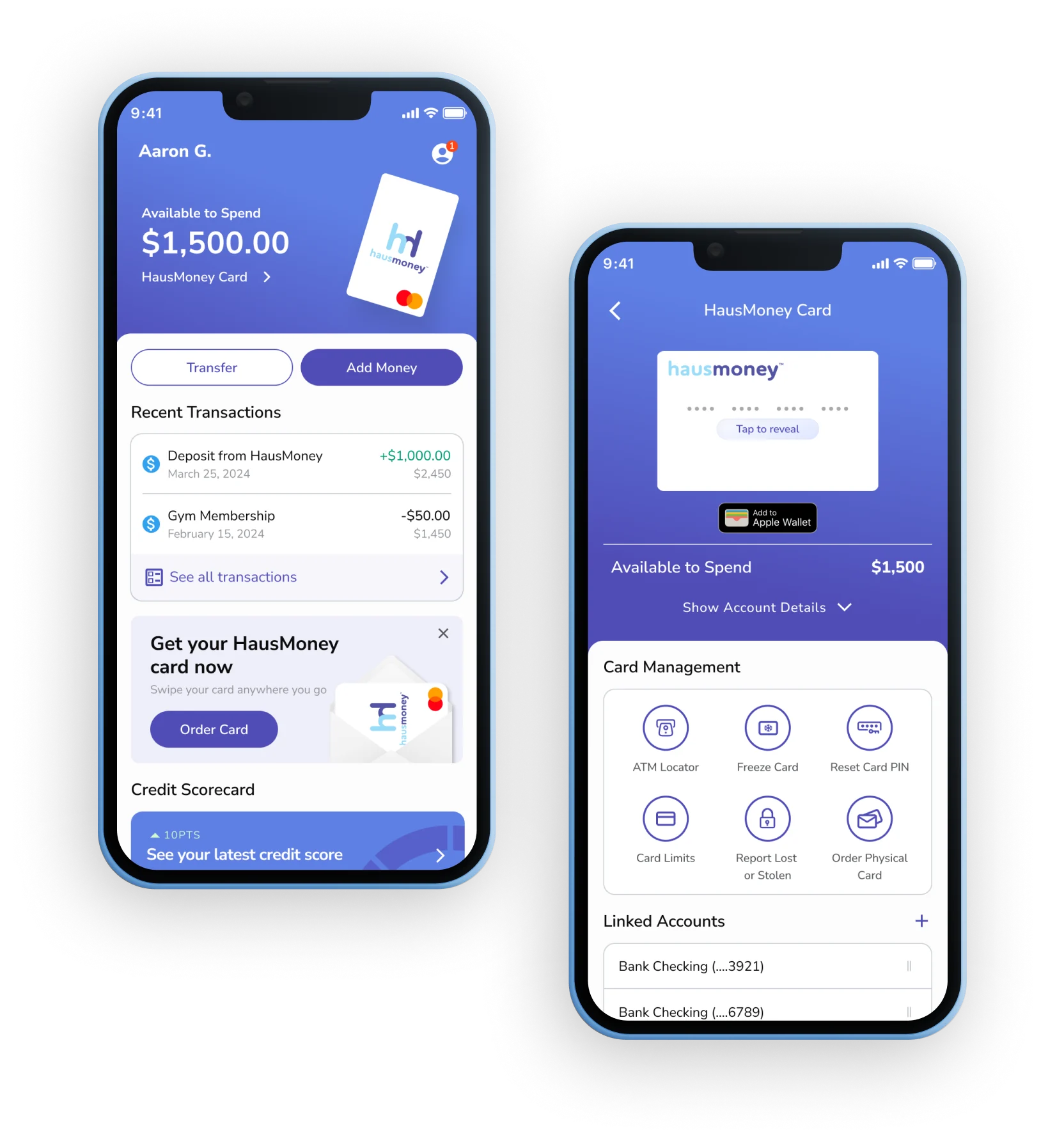
HausMoney needed a replacement for its existing card provider. Because Upward already had infrastructure around credit building, payments, and partner integrations, we saw an opportunity to build a new secured card product.
The MVP
Building the foundation
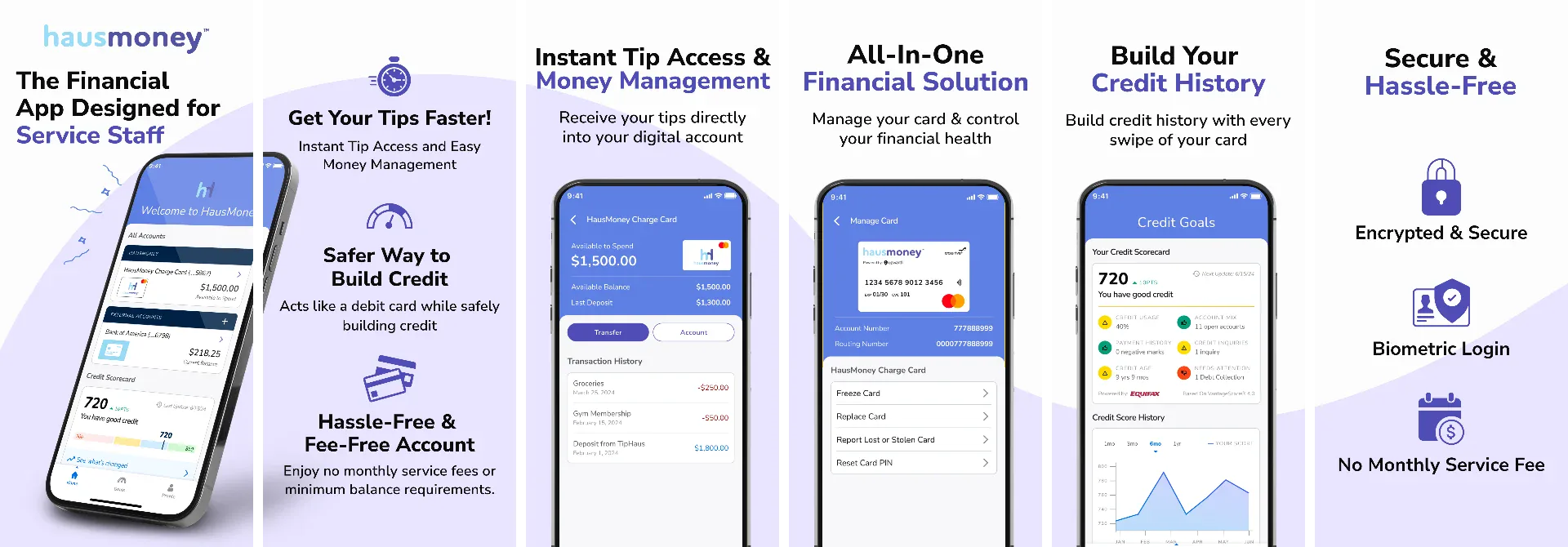
I was the sole product designer, working across product requirements, flow architecture, UX/UI, and UX copy while balancing compliance and engineering constraints. The MVP launched in six months, on time.
The turning point
From access to adoption
The MVP solved access. The next challenge was adoption.
Usage data showed that while users could access their wages, relatively few were choosing the card for everyday spending.
What I focused on
Three opportunities emerged
Financial clarity
Make it easier to understand balances and take action.
Trust & confidence
Make managing a financial product feel safer and more intuitive.
Everyday value
Give users more reasons to choose the card for everyday spending.
01 — Financial clarity
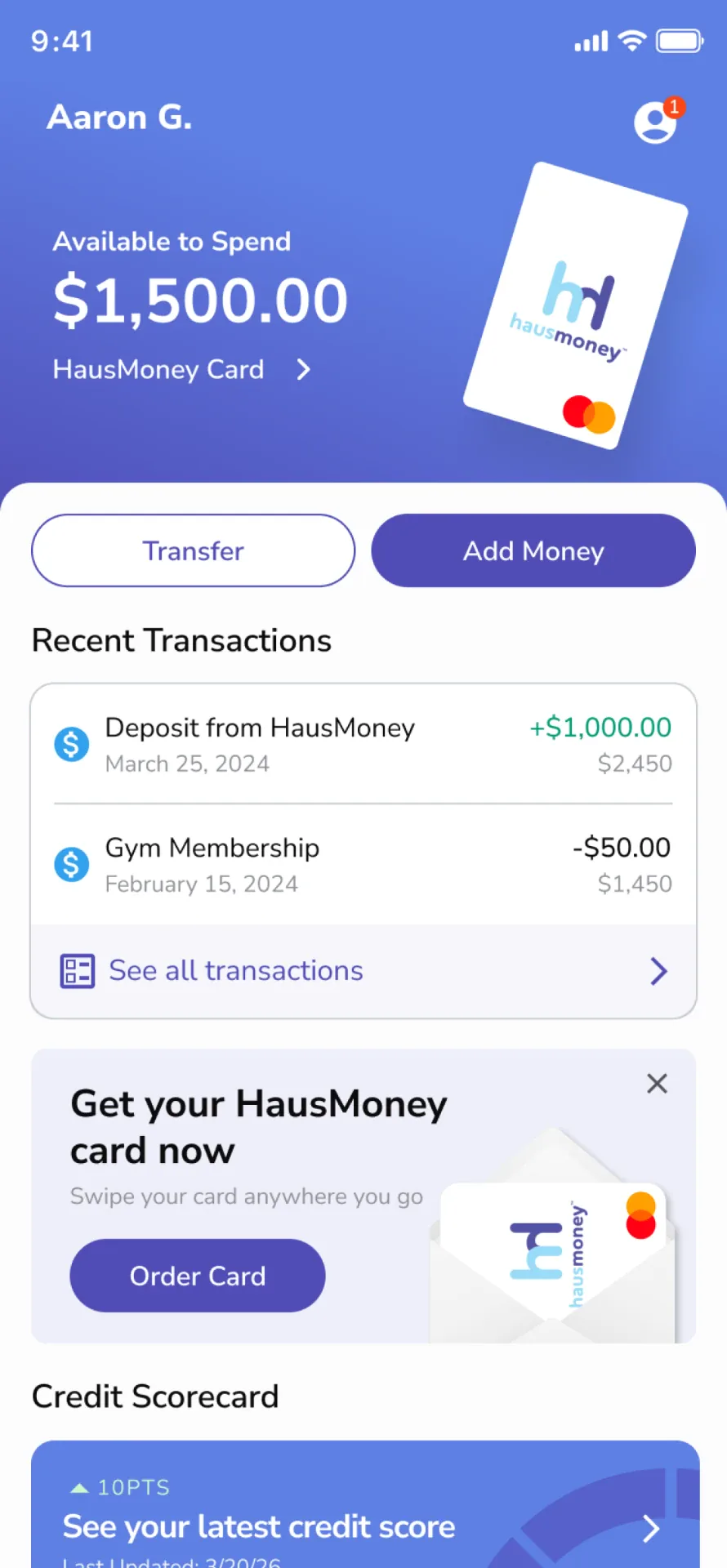
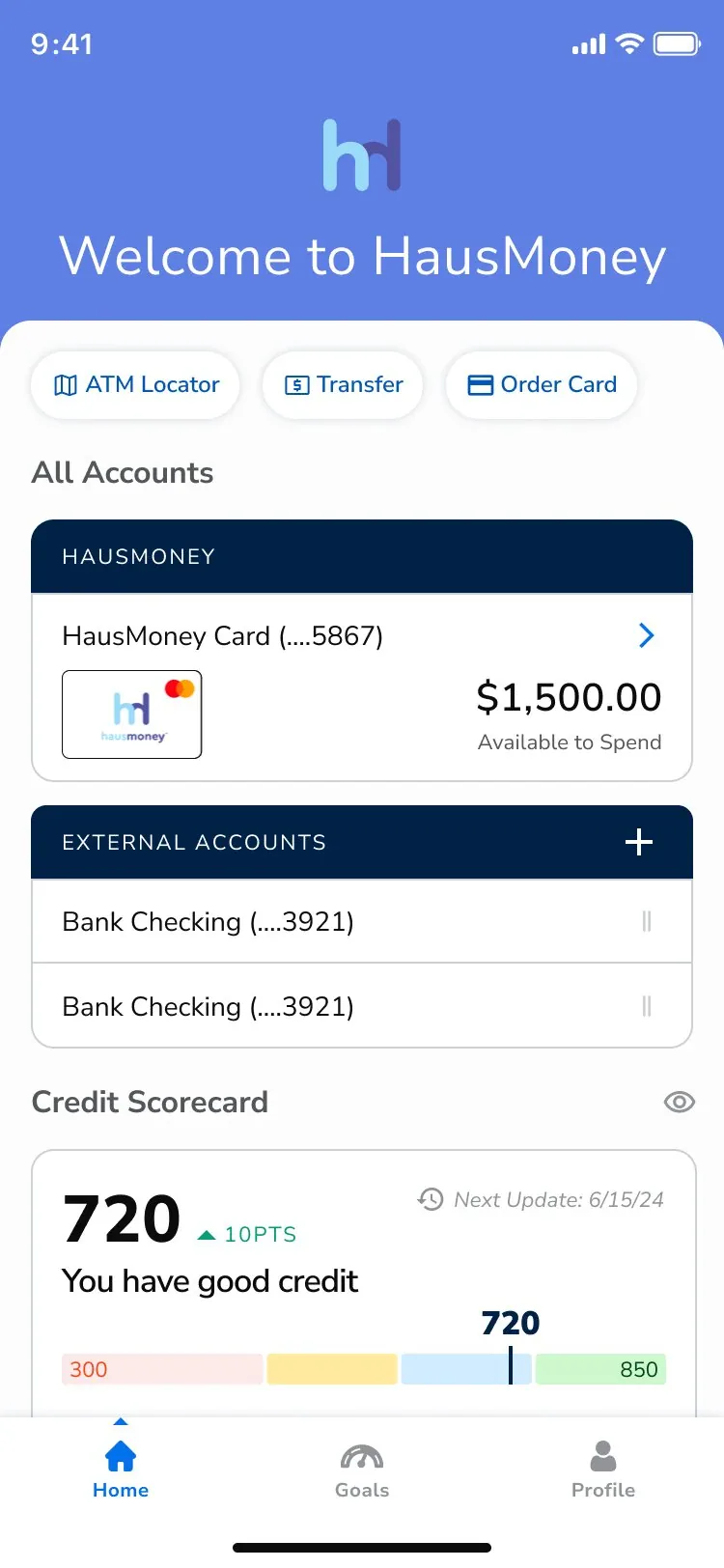
The information users needed was already there, but the hierarchy wasn't guiding users toward what mattered most. I simplified the home screen around balance, card management, and everyday actions.

Drag to compare
02 — Trust & confidence
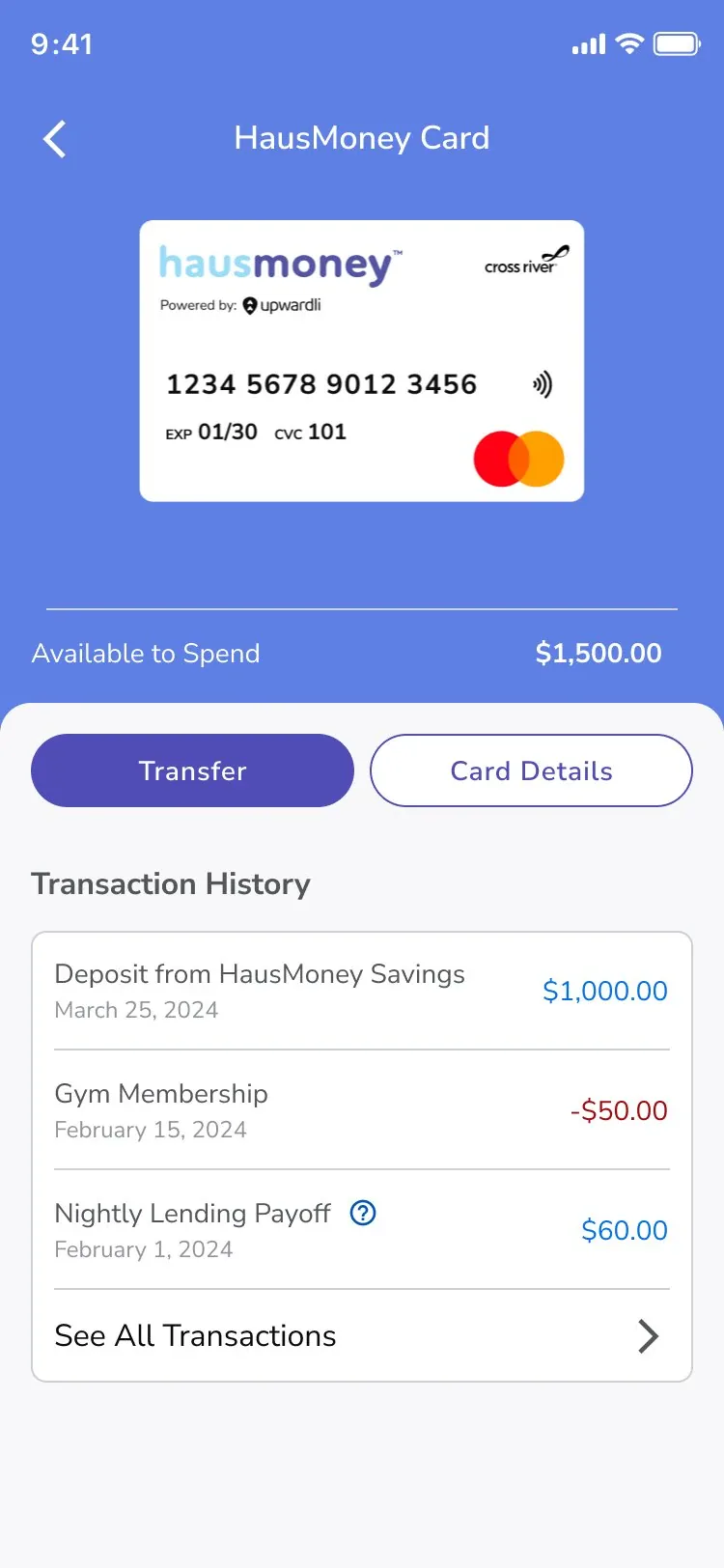
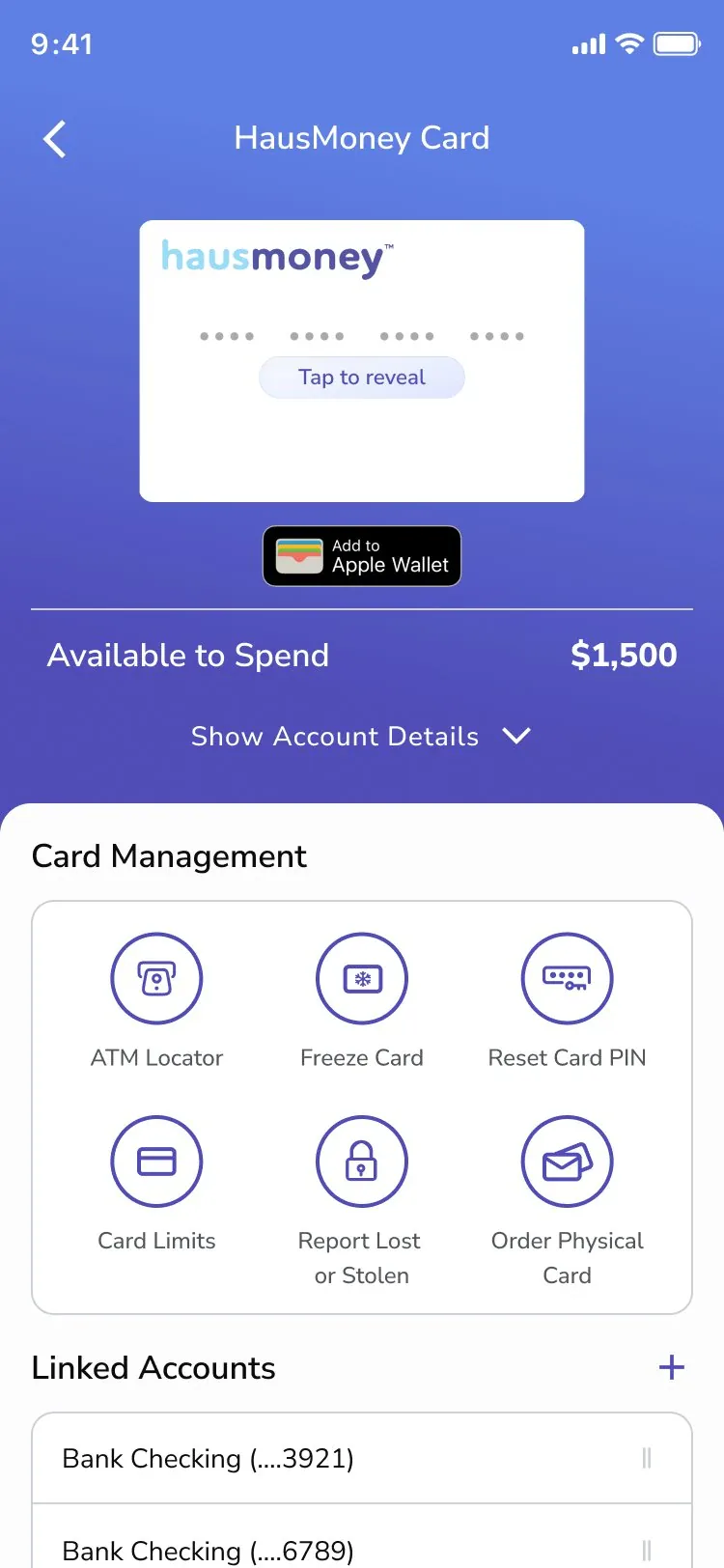
Card management had become a catch-all for transactions, transfers, linked accounts, and card controls. I restructured the experience around managing the card, while making sensitive information easier to access when needed and hidden by default.
Drag to compare
Impact
The refresh helped increase active card spenders by 15% within two months and validated the broader opportunity for Upward's embedded card platform.
Reflection
Designing HausMoney reinforced that in fintech, trust is part of the product. The goal wasn't just to make the experience easier to use, but to make users feel confident choosing it for their everyday financial lives.
Next case study
Upward Credit Builder
Led the transformation of Upward's consumer Credit Builder into an embedded fintech platform, supporting 10+ partners and 120K+ users.
View project